Keeping a swimming pool clean requires more than simply removing visible debris. Dirt, leaves, algae, bacteria, and fine particles can accumulate on pool surfaces and affect water quality, maintenance costs, and the overall swimming experience.
Modern pool cleaners have evolved from simple manual tools into advanced automatic cleaning systems powered by smart navigation, powerful motors, and intelligent algorithms. Today, homeowners, hotels, commercial facilities, and pool service companies can choose from several cleaning technologies, including suction-side cleaners, pressure-side cleaners, and robotic pool cleaners. This guide explains what pool cleaners are, the different types of pool cleaners, how robotic pool cleaners work, the benefits of automatic pool cleaning systems, and how to choose a reliable pool cleaner manufacturer.
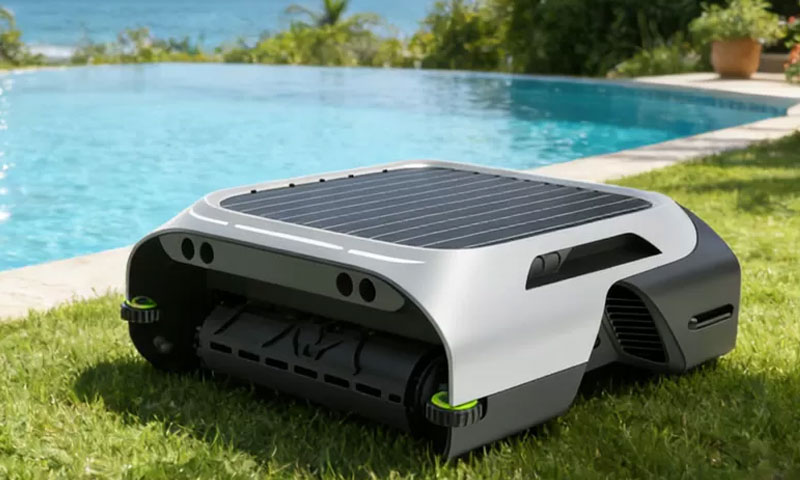
What Is a Pool Cleaner?
A pool cleaner is a device designed to automatically or manually remove dirt, debris, leaves, dust, and other contaminants from swimming pool surfaces to maintain clean and healthy water conditions. A pool cleaner works by combining cleaning mechanisms such as suction, brushing, filtration, and water circulation. Depending on the technology, pool cleaners can clean:
Traditional pool maintenance often requires frequent manual vacuuming and brushing. However, automatic pool cleaners reduce labor requirements by performing cleaning tasks independently.According to industry research, automatic pool cleaning equipment can reduce routine pool maintenance time by up to 70% compared with manual cleaning methods, making them increasingly popular in residential and commercial markets.A modern pool cleaning system typically includes:
| Component | Function |
|---|
| Motor | Provides cleaning power and movement |
| Brush system | Removes algae and stuck-on dirt |
| Filter basket/cartridge | Captures debris and particles |
| Navigation system | Controls cleaning routes |
| Sensors | Detect obstacles and optimize coverage |
For businesses looking for advanced pool cleaning solutions, Wintech provides professional pool cleaner solutions designed for residential and commercial applications.
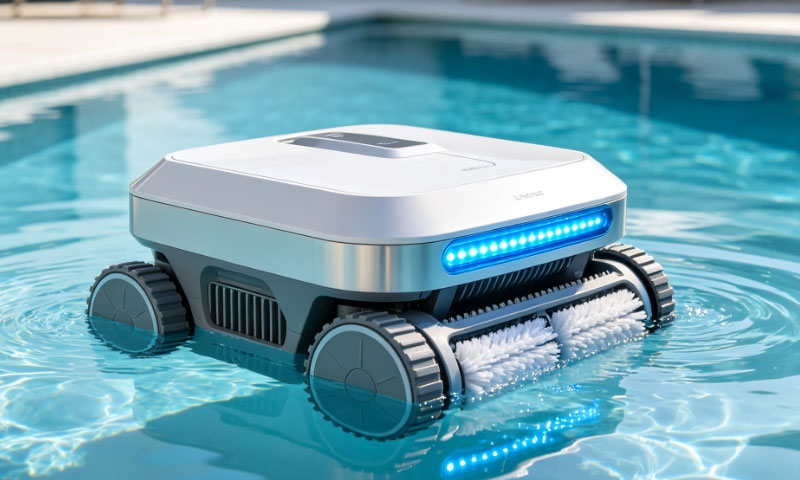
Types of Pool Cleaners
Pool cleaners are mainly divided into four categories: manual pool cleaners, suction-side cleaners, pressure-side cleaners, and robotic pool cleaners, each using different cleaning technologies and offering different levels of automation.Choosing the right type depends on factors such as pool size, cleaning frequency, budget, energy efficiency requirements, and desired automation level.
1. Manual Pool Cleaners
Manual pool cleaners are traditional cleaning tools operated by users. They usually include a vacuum head, telescopic pole, and hose connected to the pool filtration system.
Advantages:
Disadvantages:
Manual cleaners are commonly used for small residential pools or as supplementary cleaning tools.
2. Suction-Side Pool Cleaners
A suction-side pool cleaner uses the swimming pool’s existing filtration pump to create suction that collects debris while moving across pool surfaces.These cleaners connect to the suction line or skimmer and rely on water flow generated by the pool pump.
How suction-side cleaners work:
The pool pump creates water suction.
The cleaner moves around the pool surface.
Dirt and debris are pulled into the filtration system.
The pool filter captures collected particles.
Benefits:
Limitations:
Uses the pool pump continuously
May increase energy consumption
Usually less effective at climbing walls
3. Pressure-Side Pool Cleaners
A pressure-side pool cleaner uses water pressure generated by the pool pump system to move around the pool and collect debris into a dedicated filter bag. Unlike suction cleaners, pressure-side models separate collected debris from the main pool filtration system.
Advantages:
Handles larger debris effectively
Reduces filter system workload
Suitable for pools with heavy leaf accumulation
Limitations:
4. Robotic Pool Cleaners
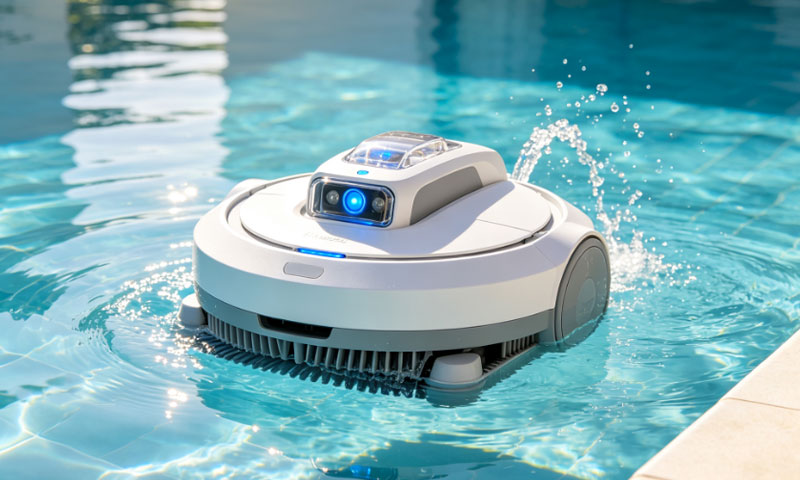
A robotic pool cleaner is an independent automatic cleaning device equipped with an electric motor, filtration system, sensors, and smart navigation technology to clean pools without relying on the pool pump system. Robotic cleaners represent the most advanced generation of pool cleaning technology. Modern robotic pool cleaners can automatically:
Pool Cleaner Comparison Table
| Feature | Manual Cleaner | Suction Cleaner | Pressure Cleaner | Robotic Pool Cleaner |
|---|
| Automation Level | Low | Medium | Medium | High |
| Requires Pool Pump | No | Yes | Yes | No |
| Energy Efficiency | High | Medium | Medium | High |
| Wall Cleaning | Limited | Limited | Good | Excellent |
| Smart Navigation | No | No | Limited | Yes |
| Cleaning Efficiency | Medium | Medium | Good | Excellent |
| Maintenance Effort | High | Medium | Medium | Low |
For most modern pool owners, robotic pool cleaners provide the best combination of convenience, cleaning performance, and energy efficiency.
How Does a Robotic Pool Cleaner Work?
A robotic pool cleaner works by using an independent electric motor, intelligent navigation system, brushes, and built-in filtration technology to automatically remove debris and contaminants from swimming pool surfaces.
Unlike suction-side and pressure-side cleaners, robotic pool cleaners operate independently from the pool’s main circulation system. This allows them to deliver efficient cleaning while reducing the workload on pool pumps and filters.
A typical robotic pool cleaner includes several key technologies:
| Technology | Function |
|---|
| Electric Drive Motor | Provides movement and cleaning power |
| Scrubbing Brushes | Removes algae, dirt, and attached contaminants |
| Filtration System | Captures debris and fine particles |
| Smart Sensors | Detect walls, obstacles, and pool shape |
| Navigation Algorithm | Creates optimized cleaning routes |
| Waterproof Control System | Ensures safe underwater operation |
Step 1: Pool Surface Scanning and Navigation
Modern robotic pool cleaners use sensors and intelligent algorithms to analyze pool conditions.
The navigation system helps the cleaner:
Advanced models can recognize different pool shapes, including:
Step 2: Brushing and Dirt Removal
The rotating brush system is one of the most important components of a robotic pool cleaner.
During operation:
Brushes rotate against pool surfaces.
Dirt and algae are loosened.
The suction system collects debris.
Water passes through filtration cartridges.
This process helps remove both visible debris and microscopic particles.
Step 3: Water Filtration
Robotic pool cleaners include built-in filtration systems that allow them to collect contaminants directly.
Depending on the model, filtration systems can capture:
Leaves
Sand
Dust
Hair
Small particles
Algae residue
Many advanced robotic cleaners use fine filtration technology capable of capturing particles as small as 2–5 microns, improving water clarity.
Step 4: Smart Cleaning Optimization
High-end robotic pool cleaners can improve cleaning efficiency through:
Some smart models allow users to schedule cleaning times through mobile applications, making pool maintenance more convenient.
Benefits of Automatic Pool Cleaning Systems
Automatic pool cleaning systems provide a smarter, faster, and more energy-efficient way to maintain swimming pools by reducing manual labor while improving cleaning consistency.
The growing adoption of automatic cleaning technology is driven by increasing demand for convenience, sustainability, and professional-level pool maintenance.
1. Saves Time and Reduces Manual Labor
Traditional pool cleaning requires frequent:
Vacuuming
Brushing
Skimming
Filter cleaning
Automatic pool cleaners complete these tasks with minimal human involvement.For commercial pools such as hotels, resorts, and fitness centers, automated systems can significantly reduce daily maintenance workload.
2. Improves Cleaning Performance
Automatic cleaners provide more consistent coverage compared with manual cleaning.Benefits include:
More complete debris removal
Better wall and floor cleaning
Reduced algae accumulation
Improved water quality
Robotic pool cleaners are particularly effective because they combine brushing, vacuuming, and filtration in one system.
3. Reduces Energy Consumption
Robotic pool cleaners operate independently and do not require continuous operation of the pool circulation pump.Compared with traditional systems, modern robotic cleaners may reduce pool cleaning energy consumption by approximately 30%–60%, depending on usage conditions and equipment efficiency.
4. Extends Pool Equipment Lifespan
Because robotic cleaners have their own filtration systems, they reduce pressure on:
Pool pumps
Main filters
Circulation systems
This may help reduce maintenance frequency and extend equipment service life.
5. Provides Smart and Convenient Operation
Advanced automatic pool cleaning systems offer:
These features make robotic pool cleaners suitable for modern smart homes and commercial facilities.
How to Choose the Right Pool Cleaner Manufacturer?
Choosing the right pool cleaner manufacturer requires evaluating product quality, technology capability, manufacturing experience, customization services, and long-term customer support.
For distributors, retailers, and pool equipment brands, selecting a reliable manufacturer is critical because product performance directly affects customer satisfaction and business growth.
1. Evaluate Manufacturing Experience
A professional pool cleaner manufacturer should have:
Experienced engineering teams
Reliable production processes
Quality control systems
International market experience
Manufacturers with strong technical backgrounds can provide more stable and innovative products.
2. Check Product Technology Capability
A competitive pool cleaner supplier should offer:
Smart navigation technology
Efficient motors
Advanced filtration systems
Durable materials
Waterproof electronic systems
Innovation capability is especially important in the robotic pool cleaner market, where customers increasingly expect intelligent and automated solutions.
3. Consider OEM and ODM Capabilities
For distributors and brands, OEM/ODM support provides advantages such as:
A manufacturer with flexible customization capability can help businesses create differentiated products.
4. Review Quality Standards
Reliable pool cleaner manufacturers should implement strict quality control, including:
International certifications such as CE, RoHS, and FCC can also demonstrate product compliance.
5. Choose a Manufacturer with Strong Global Support
A professional supplier should provide:
Technical support
Spare parts supply
Product training
After-sales service
This is especially important for companies selling pool cleaning equipment internationally.
Why Choose Wintech as Your Pool Cleaner Manufacturer?
Wintech specializes in the research, development, and manufacturing of advanced pool cleaning solutions for global customers.
With professional experience in automatic pool cleaning technology, Wintech focuses on delivering reliable, efficient, and intelligent cleaning equipment for residential and commercial applications.Wintech provides:
Advanced robotic pool cleaner solutions
OEM and ODM customization services
Professional engineering support
High-quality manufacturing processes
Global business cooperation opportunities
By combining innovative technology with manufacturing expertise, Wintech helps partners provide smarter pool maintenance solutions to customers worldwide.
Frequently Asked Questions About Pool Cleaners
1. What is the best type of pool cleaner?
The best pool cleaner depends on your pool size, cleaning requirements, and budget. For most users, robotic pool cleaners provide the highest automation, cleaning efficiency, and energy savings.
2. How often should I run a robotic pool cleaner?
Most robotic pool cleaners should operate 2–4 times per week under normal conditions. Pools with heavy usage or surrounding vegetation may require more frequent cleaning.
3. Do robotic pool cleaners save electricity?
Yes. Robotic pool cleaners usually operate independently from the pool pump, which can reduce energy usage compared with traditional pump-powered cleaning systems.
4. Can robotic pool cleaners clean pool walls?
Many advanced robotic pool cleaners can clean floors, walls, and waterlines using climbing motors and intelligent navigation systems.
5. How long does a robotic pool cleaner last?
A high-quality robotic pool cleaner typically lasts around 5–8 years when properly maintained. Product lifespan depends on usage frequency, maintenance, and component quality.
6. What should I look for in a pool cleaner manufacturer?
A reliable pool cleaner manufacturer should provide strong engineering capability, product quality control, OEM/ODM services, certifications, and dependable after-sales support.
Conclusion: Choosing the Right Pool Cleaner Solution
The right pool cleaner can significantly improve pool maintenance efficiency, reduce operating costs, and provide a cleaner swimming environment.
While manual, suction-side, and pressure-side cleaners remain useful for certain applications, robotic pool cleaners represent the future of automatic pool maintenance because they combine intelligent navigation, powerful cleaning performance, and energy-efficient operation.For businesses seeking a reliable partner in the pool cleaning industry, choosing an experienced manufacturer is essential. Wintech provides professional robotic pool cleaner solutions, OEM/ODM services, and advanced pool cleaning technologies designed to meet global market needs.Whether you are a distributor, retailer, or pool equipment brand, partnering with the right pool cleaner manufacturer can help you deliver better products and build long-term customer value.
Recommended External References

 EN
EN