Portable vacuum cleaners are becoming popular because they solve a modern cleaning problem: people want faster, lighter, more flexible cleaning tools that can handle car interiors, kitchen crumbs, sofa dust, pet hair, stairs, desks, and tight corners without the friction of cords, large storage space, or complicated setup. As living spaces become more compact, car ownership remains high in many markets, and consumers expect quick “clean-as-you-go” routines, the portable vacuum cleaner has shifted from a nice-to-have accessory into a practical everyday appliance.
For homeowners, drivers, apartment renters, pet owners, parents, and professional buyers, the appeal is not only convenience. The category also reflects broader changes in battery technology, filtration expectations, online retail, and private-label appliance sourcing. A well-designed portable vacuum cleaner is small enough to keep in a car or drawer, strong enough for common dry debris, and versatile enough to support both retail and OEM/ODM product lines. This is why brands, distributors, supermarkets, e-commerce sellers, and cleaning appliance importers are paying closer attention to compact cordless cleaning solutions.
Portable Vacuum Cleaner Market Growth and Global Demand
Portable vacuum cleaner market growth means the rising global demand for compact, battery-powered vacuum cleaners designed for quick cleaning in cars, homes, offices, and small commercial spaces.
The market momentum is supported by a larger shift in the vacuum cleaner industry. According to Grand View Research, the global household vacuum cleaner market was valued at USD 7.21 billion in 2024 and is projected to reach USD 13.33 billion by 2030, growing at a CAGR of 10.8% from 2024 to 2030. This growth shows that households are still upgrading from basic cleaning tools to more specialized, convenient electric cleaners across floor care, upholstery care, mattress care, wet-dry cleaning, and portable spot cleaning.
Within that broader category, cordless formats are gaining particular attention. Strategic Market Research estimates that the global cordless vacuum cleaner market was valued at USD 6.8 billion in 2024 and is expected to reach USD 11.6 billion by 2030, with a CAGR of 9.6%. For portable and handheld models, the same research organization reports a USD 6.7 billion global handheld vacuum cleaner market in 2024, projected to reach USD 11.0 billion by 2030 at a CAGR of 8.3%. These figures explain why cordless handheld and portable vacuums are no longer treated as small seasonal items; they are becoming important SKUs in the modern cleaning appliance portfolio.
Several demand drivers are especially important for car and home cleaning. First, consumers are cleaning more frequently but in shorter sessions. Instead of waiting for a weekend deep-clean, many people want to remove crumbs, dust, sand, hair, and small debris as soon as they appear. Second, homes are becoming more multi-functional: kitchens, bedrooms, workstations, pet areas, and children’s play spaces often overlap. Third, vehicles have become personal living spaces. Families eat snacks in cars, rideshare drivers need clean interiors, commuters track dust and debris, and outdoor lifestyles bring sand, soil, and pet hair into seats and floor mats.
The category also benefits from online retail behavior. A portable vacuum cleaner is easy to demonstrate in product videos, simple to compare by suction power and runtime, and suitable for gift purchases, car accessory bundles, pet care promotions, and home appliance campaigns. For B2B buyers, it is a compact product with strong display value, relatively simple logistics compared with large upright vacuums, and broad potential across marketplaces, supermarkets, automotive channels, household appliance stores, and promotional sales.
Global demand is not identical in every region. In North America and Europe, consumers often focus on convenience, pet hair removal, car detailing, HEPA filtration, and premium design. In Asia-Pacific, buyers may emphasize compact storage, apartment use, lightweight handling, charging efficiency, and strong cost-performance. In the Middle East, Southeast Asia, and Latin America, distributors may look for durable motors, dust-resistant performance, after-sales support, and flexible bulk procurement. These regional differences create opportunities for manufacturers that can support product customization instead of offering only one standard model.

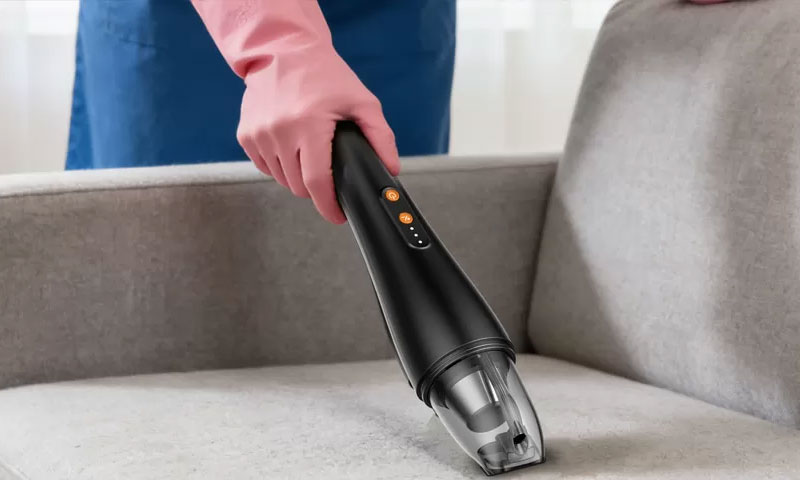
Portable Vacuum Cleaner Trends Shaping Consumer Preferences
Portable vacuum cleaner trends are the product features, design expectations, and buying behaviors that influence how consumers and B2B buyers choose compact cordless cleaning appliances.
The first major trend is the demand for stronger suction in smaller bodies. Earlier handheld vacuums were often seen as weak emergency tools, but today’s buyers compare suction levels, airflow design, motor type, nozzle efficiency, and real cleaning performance. Brushless motors, optimized air ducts, improved sealing, and more efficient filters allow compact machines to clean crumbs, dust, lint, hair, and light debris more effectively. For product pages and sales materials, this means buyers need specific, verifiable specifications rather than vague phrases such as “strong power.”
The second trend is battery confidence. A portable vacuum does not need to run as long as a full-size stick vacuum, but it must deliver enough runtime for realistic quick-cleaning tasks. Consumers want to clean a car seat, desk area, sofa surface, stair corner, kitchen counter, drawer, or pet resting area without losing power immediately. Charging time, battery cell quality, indicator lights, USB or adapter charging options, and replacement support all influence perceived product value. For B2B buyers, battery reliability also affects warranty cost and customer reviews.
The third trend is filtration awareness. Many consumers now connect cleaning tools with indoor air quality, allergy management, and healthier homes. HEPA filtration is often mentioned in vacuum cleaner marketing because the U.S. Environmental Protection Agency explains that this type of filter can remove at least 99.97% of dust, pollen, mold, bacteria, and airborne particles at 0.3 microns. A portable vacuum is not a whole-home air purifier, but a better filtration system can reduce secondary dust leakage and improve user confidence when cleaning fine particles.
The fourth trend is multi-scenario accessory design. Consumers do not buy a portable vacuum only for one flat surface. They need a crevice nozzle for car seat gaps, a brush tool for fabric or keyboard dust, a blowing tube for small debris movement, and sometimes a flexible tube for awkward corners. The more clearly a product explains its accessory use, the easier it is for shoppers to imagine daily value. This also improves conversion because shoppers are not only buying a machine; they are buying solutions for recurring messes.
The fifth trend is visual proof. For e-commerce, consumers rely heavily on application images and short videos. A product shown cleaning a car door gap, sofa seam, kitchen counter, pet hair area, window track, and office keyboard is easier to understand than a product shown only as a white-background device. For SEO and GEO, these images should also use descriptive alt text because AI search systems and Google image understanding rely on contextual signals. A page that explains “portable cleaner for car interior gaps” is more valuable than a page that simply says “product image.”
The sixth trend is brand and manufacturing transparency. Retail buyers and distributors increasingly ask whether the supplier can provide stable quality, certifications, packaging options, spare parts, instruction manuals, bulk ordering, and responsive communication. A portable vacuum may be compact, but the supply chain behind it still needs motor testing, battery safety control, suction testing, noise control, filter fit, dust cup sealing, drop testing, and packaging protection. Brands that can show manufacturing capability and product engineering are better positioned than sellers that compete only on price.
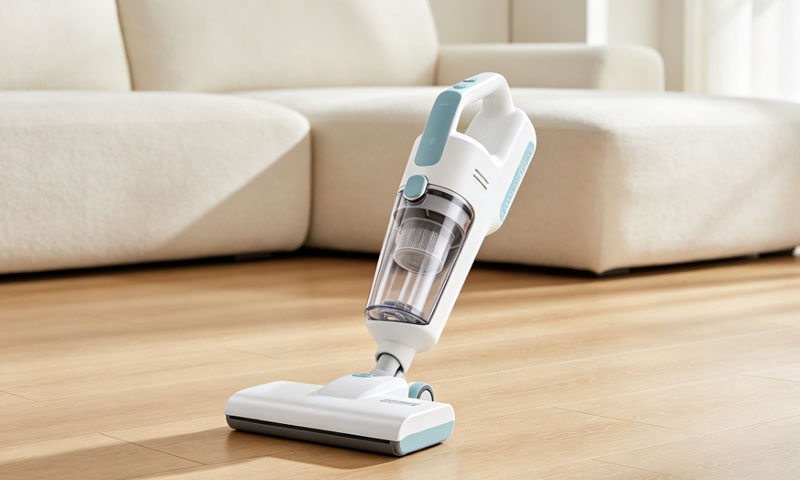
Portable Vacuum Cleaner Advantages for Car and Home Cleaning
Portable vacuum cleaner advantages are the practical benefits that make handheld cordless vacuums useful for quick, targeted cleaning in vehicles, kitchens, sofas, stairs, desks, pet areas, and other small spaces.
Freedom from Cords
Car interiors have narrow gaps, seat rails, door pockets, dashboards, trunk corners, and floor mat edges that are difficult to reach with a corded household vacuum. A cordless handheld model can be moved around the vehicle without searching for a socket, using an extension cord, or carrying a heavy machine from the house. For home cleaning, the same benefit applies to stairs, shelves, wardrobes, window tracks, bed frames, and furniture edges.
Speed
A large vacuum may be powerful, but many small messes do not justify the setup time. When a child spills cereal, a pet leaves hair on the sofa, coffee powder falls near the machine, or dust collects on a desk, a compact cordless vacuum can be used immediately. This “instant response” behavior is one of the reasons portable vacuums become habit-forming. The easier a product is to access, the more often it is used.
Storage Efficiency
Many consumers live in apartments, dormitories, studios, shared houses, or compact urban homes where a full appliance cabinet is unrealistic. A portable vacuum can fit in a drawer, on a small charging stand, in a car trunk organizer, or beside a desk. Compact storage also helps retailers and distributors because the product can be merchandised as a car accessory, kitchen helper, pet cleaning tool, or small-space appliance.
Targeted Cleaning
Portable vacuums are not designed to replace every full-size machine. Their strength is precision: removing debris exactly where it appears. A focused nozzle can clean cup holders, dashboard vents, baby seats, sofa seams, table edges, keyboard gaps, windowsills, and cabinet corners more comfortably than a large floor vacuum. This is why successful product positioning should avoid overclaiming and instead emphasize the true value: quick cleanup, flexible reach, and daily convenience.
Lower Physical Burden
Lightweight handling matters for older users, busy parents, drivers, students, and anyone who does not want to lift a heavy appliance for a small task. When the handle shape, weight balance, button placement, and dust cup release are well designed, users are more likely to clean frequently. Ergonomics directly affects repeat usage and product reviews.
Hygiene Control
A well-sealed dust cup, washable or replaceable filter, easy emptying structure, and clear maintenance instructions help users keep suction stable and reduce dust contact. For buyers comparing products, these small details can matter as much as headline suction power. A vacuum that is powerful but difficult to empty may create negative reviews; a vacuum that is easy to maintain often earns higher long-term satisfaction.
For car owners, the best product promise is not “clean everything.” It is “clean the places you normally ignore because they are inconvenient.” Seat gaps, floor mat edges, center consoles, trunk corners, child seats, and door pockets accumulate dust and crumbs quickly. A portable vacuum cleaner makes those areas reachable, which is why car-detailing use cases are so persuasive in product images, videos, and landing pages.
For homes, the best product promise is “remove small messes before they spread.” Kitchen counters, dining tables, sofa cushions, pet beds, mattress edges, bookshelves, and office desks are all places where small debris appears daily. With the right brush and crevice accessories, a portable vacuum supports a cleaner routine without requiring a full cleaning session.
Comparison Table: Portable Vacuum Cleaner vs. Other Cleaning Tools
| Cleaning Tool | Best Use Case | Main Strength | Main Limitation | Buyer Takeaway |
|---|
| Portable vacuum cleaner | Cars, sofas, stairs, desks, kitchens, tight gaps, small messes | Fast, lightweight, cord-free, easy to store | Smaller dust cup and shorter runtime than full-size vacuums | Best for quick daily cleanup and car/home spot cleaning |
| Corded full-size vacuum | Whole-home deep cleaning, carpets, large floor areas | Stable power and larger dust capacity | Less convenient for cars, stairs, and small urgent messes | Best as a primary home vacuum, not a portable quick-clean tool |
| Cordless stick vacuum | Floors, medium-size rooms, daily home cleaning | Good balance of power, reach, and mobility | Larger than handheld models and less convenient inside vehicles | Best for floor care, while handheld models cover detailed areas |
| Robot vacuum cleaner | Automated floor maintenance | Hands-free scheduled cleaning | Cannot clean car interiors, shelves, upholstery gaps, or vertical surfaces | Best for floors; still needs portable support for detail cleaning |
| Wet and dry vacuum | Garages, workshops, spills, heavier debris | Handles tougher messes and liquid pickup | Bulkier and less convenient for light everyday use | Best for heavy-duty cleaning, not small daily debris |
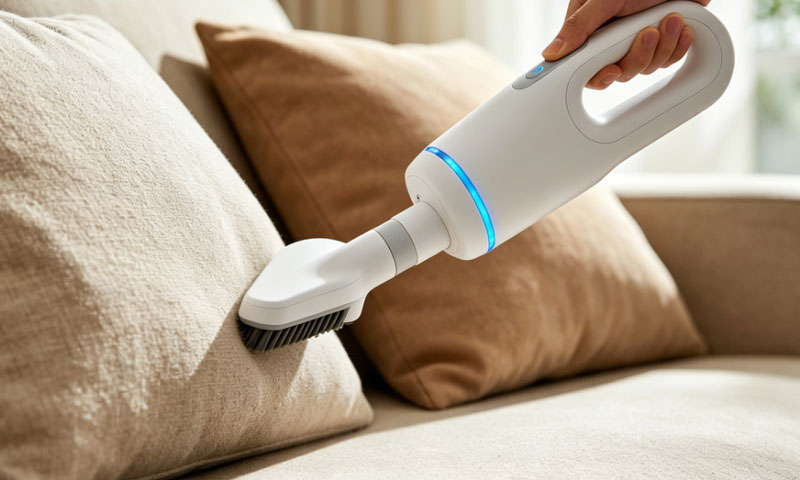
Portable Vacuum Cleaner Applications Across Global Markets
Portable vacuum cleaner applications are the real-world cleaning scenarios and sales channels where compact cordless vacuums create value for consumers, retailers, distributors, and brand owners.
Car Interior Cleaning
In automotive retail channels, a portable vacuum can be positioned with seat organizers, air fresheners, tire inflators, dashboard cleaners, microfiber towels, and car care kits. This creates strong bundle potential. Drivers want a product that can remove food crumbs, hair, sand, dust, and small debris before the car becomes visibly dirty. Ride-hailing drivers, delivery drivers, family car owners, outdoor travelers, and pet owners are especially likely to value this convenience.
Household Quick Cleanup
In kitchens, dining areas, sofas, bedrooms, and home offices, small debris appears more often than large messes. A portable vacuum cleaner helps users maintain cleanliness between deeper cleaning sessions. For e-commerce positioning, this application works well because shoppers can immediately recognize everyday scenes: breakfast crumbs, snack debris, dust around a computer, hair on a sofa, and powder near a coffee machine.
Pet Care
Pet owners often deal with hair on upholstery, bedding, mats, car seats, and fabric surfaces. While a portable vacuum may not replace a specialized pet grooming vacuum or full-size deep-cleaning system, it can quickly remove visible hair and small debris. Product bundles with brush tools, washable filters, and easy-empty dust cups can increase appeal in pet-focused retail categories.
Small Apartments and Shared Living
In densely populated urban markets, consumers may not have space for multiple large appliances. A compact vacuum that charges easily and stores neatly can become a practical first appliance for renters, students, and young professionals. The sales message should focus on space saving, convenience, and multi-scenario cleaning rather than only technical specifications.
Office and Electronics Cleaning
Desks, keyboards, drawers, printer areas, shelves, and meeting rooms collect dust and small particles. A portable vacuum with a brush tool or slim nozzle can support light office maintenance. For corporate gift programs and promotional product channels, compact cordless vacuums also have strong perceived value because they are useful, modern, and easy to demonstrate.
Hospitality and Facility Support
Hotels, serviced apartments, car rental companies, showrooms, gyms, and small commercial spaces may need quick spot cleaning without deploying a large cleaning cart. A portable vacuum can help staff handle visible messes between scheduled cleaning rounds. In this segment, buyers may pay closer attention to durability, charging management, spare filters, bulk availability, and after-sales support.
For global B2B buyers, the application strategy should match regional purchasing priorities. In mature markets, packaging, certification documents, filtration claims, battery safety, and brand story often matter. In emerging markets, importers may prioritize stable supply, competitive MOQ, clear specifications, spare parts, and localized packaging. In online marketplaces, listing quality is critical: the product must show use cases, comparison points, specifications, FAQs, and customer objections in a simple structure.
Why Choose Wintech for Portable Vacuum Cleaner Solutions?
Wintech portable vacuum cleaner solutions provide professional OEM and ODM manufacturing services, combining product innovation, engineering expertise, quality control, and customized production capabilities for global cleaning brands.
Selecting the right manufacturing partner is critical for companies entering or expanding within the cordless vacuum cleaner market.With increasing competition worldwide, brands need more than a product supplier—they need a reliable partner capable of supporting product design, manufacturing, quality assurance, and market requirements.
1. Professional Cleaning Appliance Manufacturing Experience
Wintech specializes in developing and manufacturing cleaning appliances designed for global markets.
Our capabilities include:
This enables customers to create portable vacuum cleaner products that match specific market positioning.
2. OEM and ODM Customization Capabilities
Different markets have different consumer expectations.
Wintech helps partners customize:
Product Design
Appearance design
Color options
Ergonomic structure
Compact form factors
Performance Features
Branding Elements
These capabilities allow brands to launch differentiated cordless vacuum cleaner products.
3. Quality Control and Reliable Production
For global markets, product reliability is essential.
Wintech applies strict quality management processes throughout production, including:
Reliable manufacturing helps distributors and brands reduce product risks and improve customer satisfaction.
FAQ: Portable Vacuum Cleaners for Cars and Homes
A portable vacuum cleaner FAQ is a buyer-focused question-and-answer section that helps users quickly compare use cases, specifications, maintenance needs, and purchasing considerations.
1. Is a portable vacuum cleaner powerful enough for car cleaning?
Yes, a well-designed portable vacuum cleaner is powerful enough for common car cleaning tasks such as crumbs, dust, sand, hair, and small dry debris. It is especially useful for seat gaps, floor mat edges, door pockets, dashboards, cup holders, and trunk corners. For heavier debris or wet messes, buyers should consider a wet-dry vacuum or a more specialized cleaning tool.
2. Can a portable vacuum cleaner replace a full-size home vacuum?
Usually not. A portable vacuum cleaner is best for quick, targeted cleaning rather than whole-home deep cleaning. It works well on sofas, stairs, desks, kitchen counters, drawers, shelves, and small messes. A full-size vacuum or cordless stick vacuum is still better for large floor areas, thick carpets, and longer cleaning sessions.
3. What specifications should buyers compare before purchasing?
Important specifications include suction power, motor type, battery capacity, runtime by mode, charging time, dust cup capacity, noise level, filter type, accessory set, product weight, and warranty support. B2B buyers should also check packaging options, spare filter availability, certification documents, MOQ, lead time, and after-sales service.
4. Is HEPA filtration important in a portable vacuum cleaner?
HEPA filtration can be important when users care about fine dust control, allergens, and cleaner exhaust air. Although a portable vacuum is not a substitute for full indoor air management, a better filtration system helps reduce dust leakage and improves user confidence when cleaning sofas, mattresses, desks, car interiors, and pet areas.
5. How long should the battery last for a portable vacuum cleaner?
The ideal runtime depends on the cleaning task. For quick car and home spot cleaning, many users only need 10 to 20 minutes of effective cleaning time, provided the suction remains stable. Buyers should compare runtime by power mode because high suction mode usually drains the portable vacuum battery faster than low or standard mode.
6. Why do distributors and brand owners source portable vacuum cleaners from manufacturers like Wintech?
Distributors and brand owners often work with manufacturers like Wintech because they need stable product quality, clear specifications, OEM/ODM support, packaging customization, accessory options, and category experience. A reliable manufacturer can help reduce sourcing risk and create products that are easier to sell across car care, home cleaning, pet care, and e-commerce channels.
Conclusion: Portable Vacuum Cleaners Are Becoming Everyday Cleaning Essentials
The conclusion for portable vacuum cleaner popularity is that the category is growing because it matches modern cleaning habits: quick, flexible, compact, and suitable for both car and home environments.
Portable vacuum cleaners are popular because they remove the friction from everyday cleaning. They are easy to pick up, easy to store, easy to use in cars, and practical for small messes around the home. Market data shows strong growth across household, cordless, and handheld vacuum categories, while consumer behavior continues to move toward convenience, compact design, better filtration, and multi-scenario cleaning.
For consumers, the value is simple: clean small messes before they become annoying. For B2B buyers, the opportunity is larger: portable vacuum cleaners can support retail growth, online conversion, car accessory bundles, private-label product lines, and global cleaning appliance expansion. With the right product specifications, application visuals, comparison content, FAQ structure, and trustworthy manufacturer support, this category can perform well in both search engines and AI-driven discovery platforms.
Wintech’s portable vacuum cleaner solutions are positioned for this demand by combining compact design, practical car and home applications, product development capability, and B2B sourcing support. For buyers looking to build a competitive cleaning appliance portfolio, portable vacuums are no longer just accessories; they are everyday cleaning essentials with strong global potential.
Reference
Wikipida - Vacuum Cleaner
Wikipida - HEPA filtration
Wikipida - indoor air quality

 EN
EN